Aquarium Laboratory
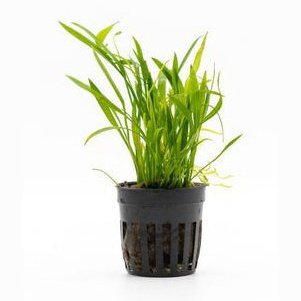
Helanthium Tenellum
Regular price
$5 USD
Regular price
Sale price
$5 USD
Unit price
per
Couldn't load pickup availability
Certainly! Here's a species profile on Helanthium tenellum:
Common Name: Helanthium tenellum, Chain Sword, Pygmy Chain Sword
Scientific Name: Helanthium tenellum (formerly known as Echinodorus tenellus)
Description:
Helanthium tenellum is a popular aquatic plant species belonging to the Alismataceae family. It is native to North and Central America, particularly found in regions like Florida, Texas, and Mexico. This species is highly sought after by aquarium enthusiasts due to its attractive appearance and relatively easy care requirements.
Appearance:
The Helanthium tenellum is a small-sized plant with grass-like leaves that grow in a chain-like pattern, hence its common name "Chain Sword." The leaves are thin and narrow, usually ranging from green to light brown or bronze in color. The plant forms a dense carpet on the substrate, spreading through runners and producing new plants along the way.
Habitat and Distribution:
In the wild, Helanthium tenellum typically grows in shallow water areas such as marshes, ponds, and slow-moving streams. It thrives in both submerged and emergent conditions, adapting to varying water levels. The species has a broad distribution, occurring naturally in North and Central America, including countries like the United States, Mexico, and Guatemala.
Tank Requirements:
To cultivate Helanthium tenellum in an aquarium, it is important to replicate its natural habitat conditions. Here are some key considerations:
1. Lighting: Moderate to high lighting levels are recommended to support healthy growth and compact appearance.
2. Temperature: The plant prefers a tropical temperature range of 72-82°F (22-28°C).
3. Water Parameters: Provide slightly acidic to neutral water conditions with a pH range of 6.5-7.5. The water hardness should be around 2-15 dGH.
4. Substrate: A nutrient-rich substrate is beneficial for the plant's growth. It should be fine-grained to allow the runners to spread and develop new plants.
5. CO2 and Nutrients: Although Helanthium tenellum can survive in low CO2 environments, supplemental carbon dioxide injection and regular fertilization with macro and micronutrients promote faster and healthier growth.
Maintenance:
Helanthium tenellum is generally considered an undemanding plant, making it suitable for beginners. However, routine maintenance is still necessary to ensure its optimal growth:
1. Trimming: Regularly trim any overgrown or damaged leaves to maintain the desired carpet-like appearance and prevent shading of lower leaves.
2. Runners: As the plant spreads through runners, it is essential to trim or remove excess plantlets to prevent overcrowding.
3. Fertilization: Provide regular dosing of liquid fertilizers or root tabs to supplement the necessary nutrients that may be lacking in the aquarium.
Uses:
Helanthium tenellum is primarily used as a foreground or carpeting plant in freshwater aquariums. Its dense growth and grass-like appearance create a visually appealing landscape. The plant also contributes to the overall health of the aquarium by absorbing excess nutrients and providing hiding places for small fish and invertebrates.
With its adaptability and aesthetic appeal, Helanthium tenellum has become a popular choice for aquascaping projects and is often seen in nature-inspired aquaria setups.
Note: The taxonomy of the plant was recently revised, and it was moved from the Echinodorus genus to the Helanthium genus. Therefore, you may still find it referred to as Echinodorus tenellus in some sources.