Aquarium Laboratory
Sagittaria Subulata
Regular price
$4 USD
Regular price
Sale price
$4 USD
Unit price
per
Couldn't load pickup availability
Certainly! Here's a species profile on Sagittaria subulata:
Common Name: Sagittaria subtulata, Dwarf Sagittaria, Subulata Sagittaria
Scientific Name: Sagittaria subtulata
Description:
Sagittaria subtulata, commonly known as Dwarf Sagittaria, is a popular aquatic plant species belonging to the Alismataceae family. It is native to regions in North and Central America, including the United States, Mexico, and Guatemala. This plant is highly valued for its graceful appearance, versatility, and ease of care, making it a popular choice among aquarium hobbyists.
Appearance:
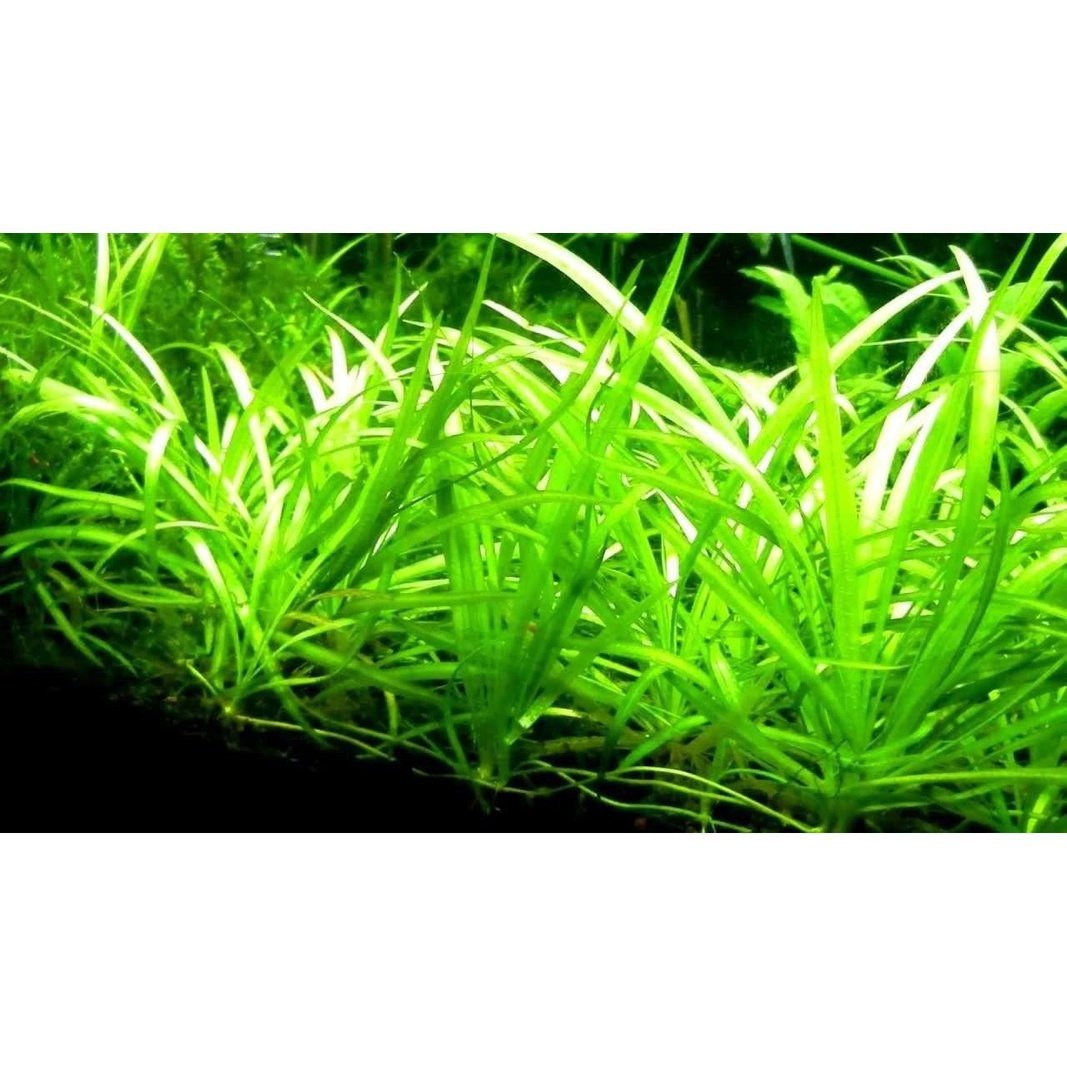
Dwarf Sagittaria features slender, grass-like leaves that grow in a rosette pattern from a central point. The leaves are typically green but can develop reddish or bronze hues under certain conditions. The plant can reach a height of 4-6 inches (10-15 cm) and forms a dense carpet or cluster when planted in groups. Each leaf is narrow and pointed, resembling an arrowhead, which is characteristic of the Sagittaria genus.
Habitat and Distribution:
In its natural habitat, Sagittaria subtulata is found in various aquatic environments such as ponds, lakes, and slow-moving streams. It is adaptable to both submerged and emergent conditions, growing in shallow water with its leaves partially or fully above the surface. The species is native to North and Central America and is distributed across several countries in the region.
Tank Requirements:
To successfully cultivate Sagittaria subtulata in an aquarium, it is important to create an environment that replicates its natural habitat. Here are some key considerations:
1. Lighting: Dwarf Sagittaria requires moderate to high lighting levels to support healthy growth and encourage compact and lush carpet formation. Insufficient light may result in weak growth and elongated stems.
2. Temperature: Maintain a tropical temperature range of 68-82°F (20-28°C) for optimal growth. Dwarf Sagittaria can tolerate slight temperature variations but thrives best within this range.
3. Water Parameters: Provide slightly acidic to neutral water conditions with a pH range of 6.0-7.5. The water hardness should be around 2-15 dGH.
4. Substrate: Use a nutrient-rich substrate such as aquarium soil or a combination of gravel and root tabs. This will provide the necessary nutrients for the plants' growth and help anchor the roots.
5. CO2 and Nutrients: While Dwarf Sagittaria can grow without supplemental carbon dioxide (CO2) injection, providing CO2 and regular fertilization with macro and micronutrients can promote faster and healthier growth. Adequate iron supplementation is particularly important for vibrant coloration.
Maintenance:
Sagittaria subtulata requires minimal maintenance but benefits from some routine care:
1. Trimming: Regular trimming is necessary to control the height and prevent overgrowth. Trim the tops of the plants using sharp aquarium scissors to maintain the desired carpet or cluster appearance.
2. Propagation: Dwarf Sagittaria propagates through runners, which develop new plants. As the plant spreads, it forms dense clusters that can be divided and replanted to expand the carpet or create new patches. Simply separate the plant clusters and replant them into the substrate.
3. Fertilization: Regular dosing of liquid fertilizers or root tabs will help provide the necessary nutrients for healthy growth. Pay attention to the iron levels to maintain vibrant coloration.
Uses:
Dwarf Sagittaria is commonly used as a foreground or carpeting plant in freshwater aquariums. Its graceful appearance, ability to form dense carpets, and adaptability make it a popular choice for creating natural and visually appealing aquascapes. The plant also serves as a refuge and spawning site